Drum in African Culture and History
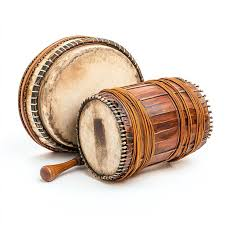
In many African societies, playing the drum is far more than producing sound. It is a powerful form of communication and an essential part of daily life, deeply rooted in African culture and tradition. The drum accompanies people from birth to death, marking life’s most important moments and strengthening the bonds of community.
During wedding ceremonies, the presence of drums is inevitable, guiding dancers and celebrating the union of families. When a child is born, the entire community often comes together with songs, dances, and rhythmic drumming to welcome new life. Even in times of mourning, drums play a meaningful role. In many African cultures, people ask for the drum to be played at funerals as a way to honour, remember, and say goodbye to a loved one.
Tracing the exact origin of the drum is almost impossible. Since the rise of the first African civilisations, drumming has been a common and respected practice. Ancient civilisations such as Egypt, renowned for their rich history and cultural sophistication, regarded drumming as an art form and a symbol of status. Skilled drummers held an important position in society, and performing for the Pharaoh and the royal family was considered a great honour.
Thousands of years later, during the transatlantic slave trade, African drumming took on a new and powerful meaning. Enslaved Africans carried their rhythms, traditions, and cultural memory with them. On sugarcane plantations and in oppressed communities, drumming became an act of resistance, a way to preserve identity, and a form of silent communication.
From the Caribbean islands to Brazil, African drums continue to shape music and culture today. They remain central to major celebrations and festivals such as Carnival in Brazil, the Carnival of Trinidad and Tobago, Junkanoo in the Bahamas, and many other cultural events around the world.
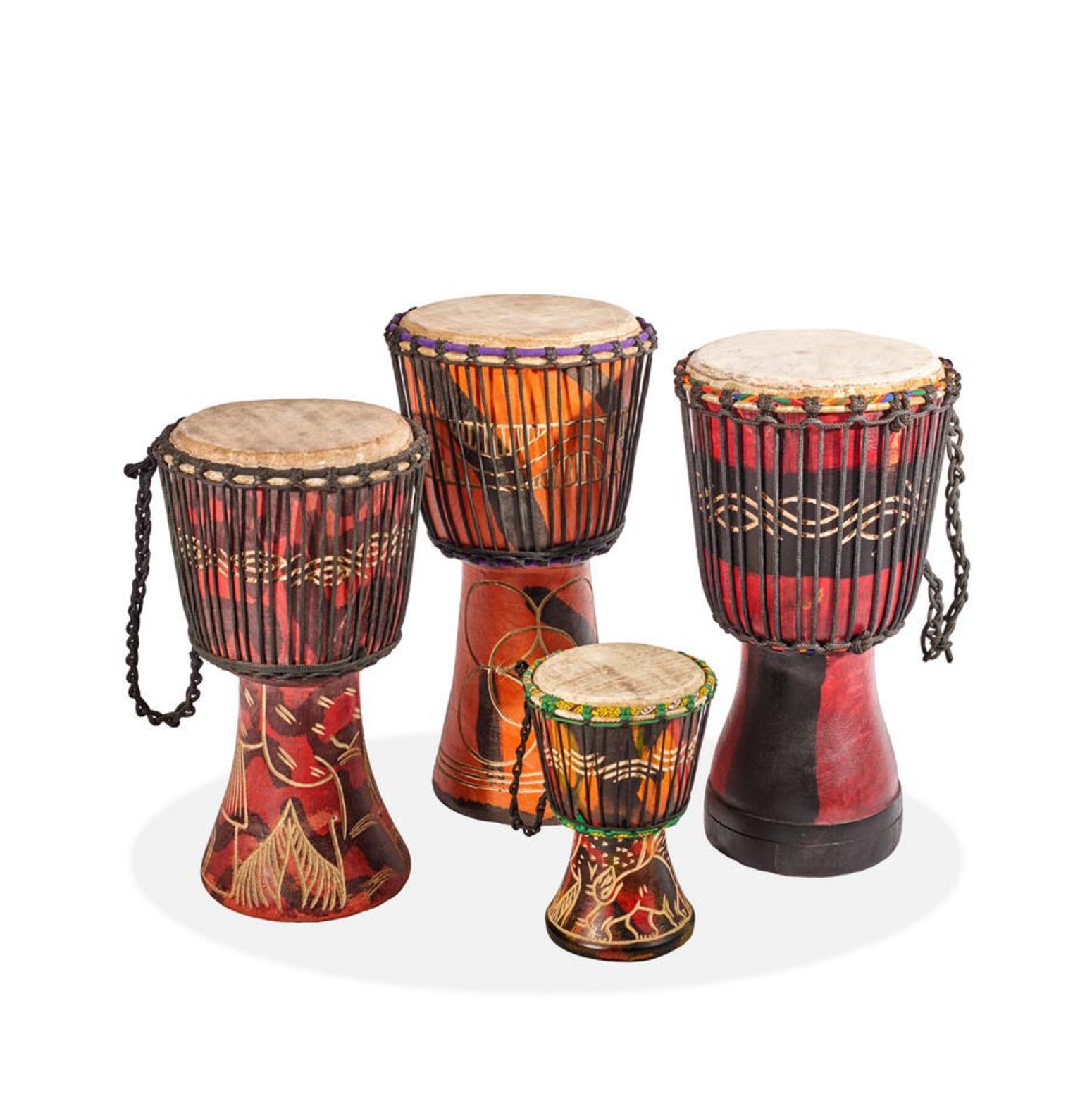
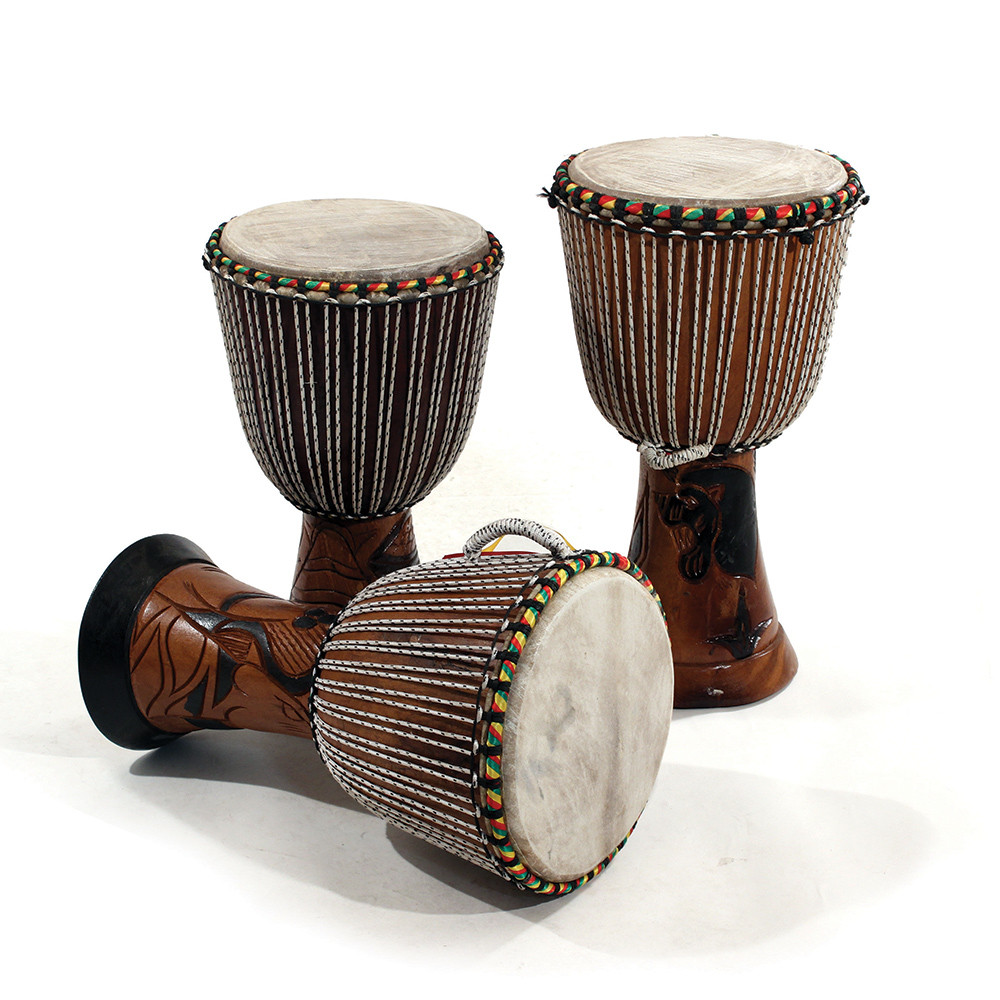
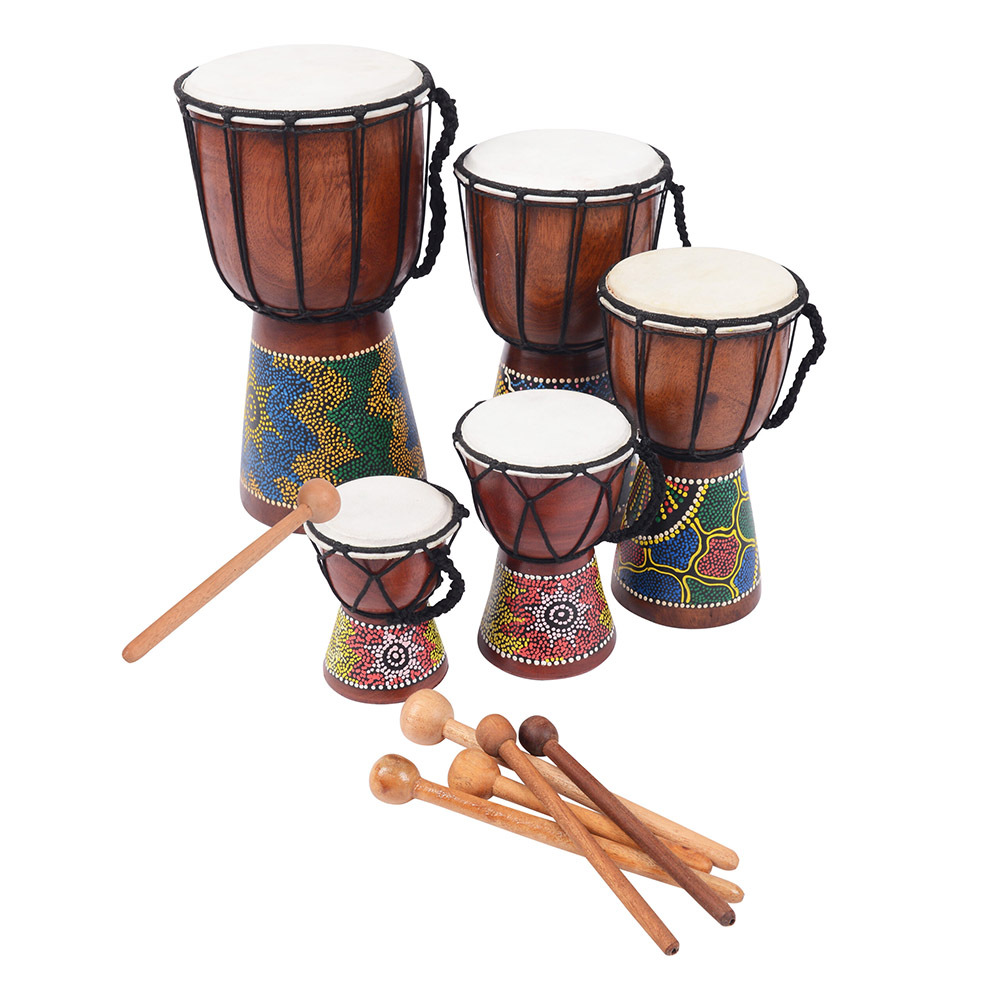
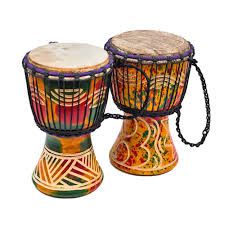
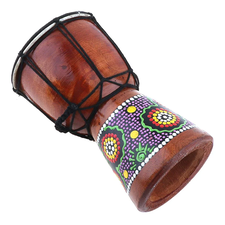
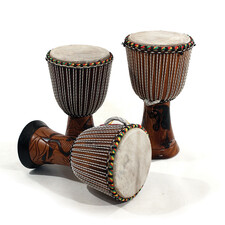
Among all African drums, the Djembe drum is one of the most well-known and widely played. Originating in West Africa, the Djembe is often the first drum people learn to play, thanks to its expressive sound, versatility, and strong connection to traditional African rhythms.